
Deixe um recado
Se você está interessado em nossos produtos e deseja saber mais detalhes, deixe uma mensagem aqui, responderemos o mais breve possível.
O global fazenda solar O mercado está se expandindo a um ritmo notável — de US$ 140,94 bilhões em 2025 para US$ 168,19 bilhões em 2026, uma taxa de crescimento anual composta de 19,3%.Ao mesmo tempo, agrivoltaica—a prática de combinar a geração de energia solar com a produção agrícola na mesma terra—ultrapassou o mercado global de US$ 5,5 bilhões em 2026.Para agricultores, proprietários de terras e investidores, sistemas de montagem solar agrícola representam não apenas um investimento em energia, mas uma decisão estratégica relativa a ativos imobiliários.
Então, como maximizar o retorno sobre o investimento em sistemas de energia solar para uso agrícola em 2026? Aqui estão as seis alavancas principais que diferenciam projetos agrivoltaicos lucrativos de experimentos deficitários.
Nem todos painéis solares agrícolas Todos os sistemas são criados iguais. A estrutura de montagem que você escolher determinará o que você pode cultivar, quais equipamentos pode usar e, em última análise, seus lucros. Aqui estão os principais tipos de sistemas em operação comercial atualmente.:
Sistemas Agrivoltaicos Elevados (3–5 metros)Painéis instalados em alturas que permitem a operação de grandes máquinas agrícolas — colheitadeiras, tratores — por baixo.Ideal para culturas de cereais, milho e agricultura em grandes áreas.
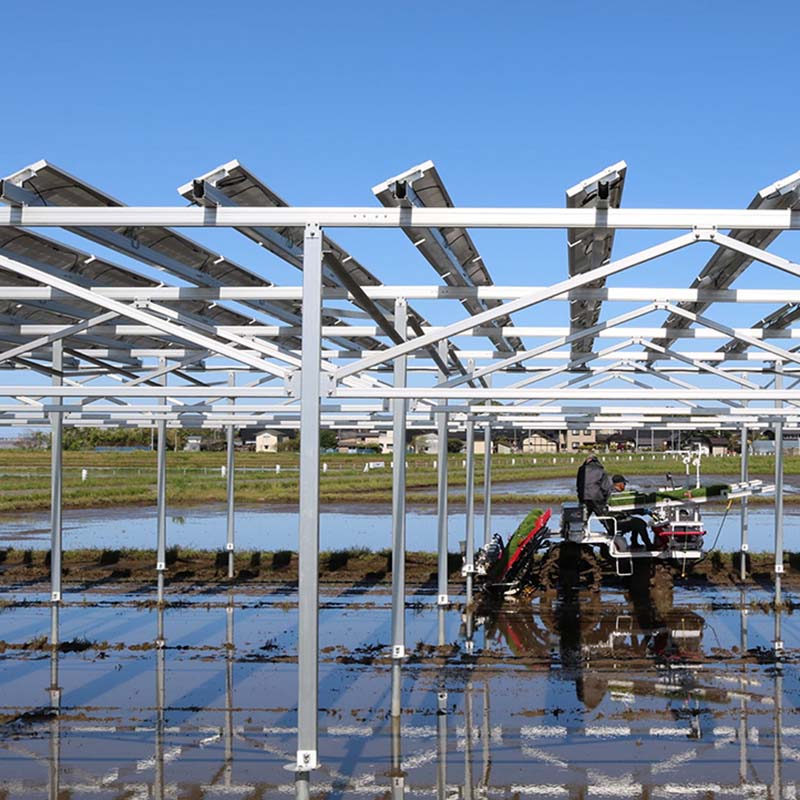
Sistemas padrão de elevação de 2,1 metrosA opção viável de menor custo que ainda permite o acesso de tratores e o pastoreio de ovelhas. No projeto Adorf de 15 MW na Alemanha, o gado pasta confortavelmente sob painéis instalados com pouco mais de 2 metros de altura..
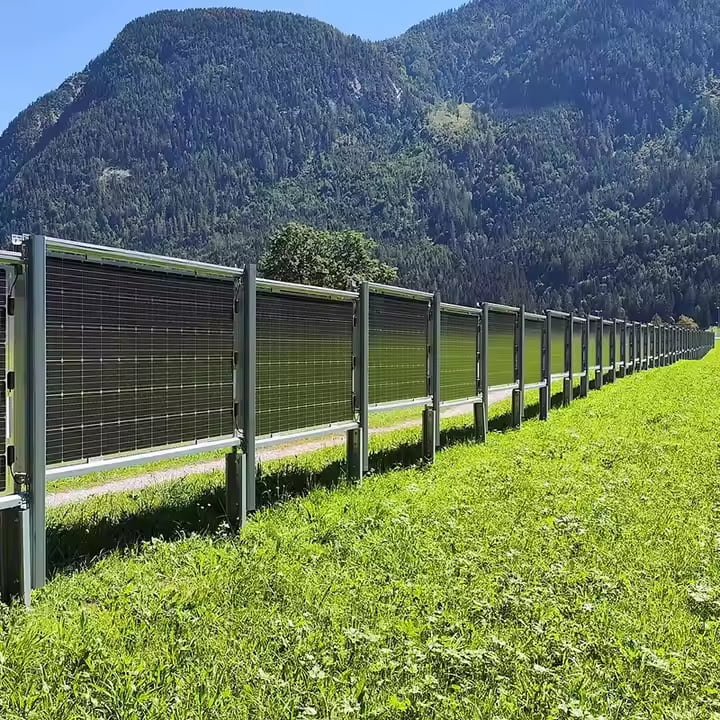
Sistemas bifaciais verticaisPainéis instalados verticalmente, orientados de leste a oeste, ocupando apenas cerca de 2% da área total, enquanto deixam 98% disponível para a agricultura.Ideal para pomares e pastagens em regiões de alta insolação.
Sistemas Agrivoltaicos de Nível do Solo (1,1–1,5 metros)Uma abordagem mais recente e de menor custo, que utiliza blocos flexíveis em vez de fileiras convencionais. Os custos da estrutura são de apenas € 0,03 a € 0,04/W — em comparação com € 0,06/W para sistemas de 2,1 metros e € 0,09/W para projetos de 4 metros.Excelente para criações de aves e gado onde a proteção contra predadores é uma vantagem..
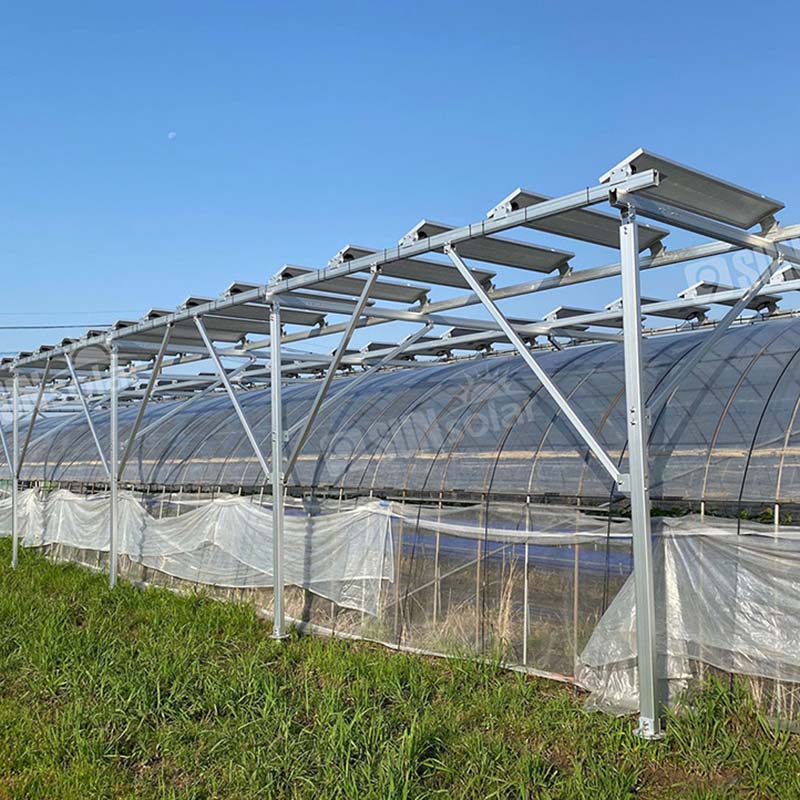
Estufas solaresPainéis instalados nos telhados das estufas, com plantações crescendo embaixo. Um sistema de 1 MW pode gerar receita tanto com eletricidade quanto com a venda de produtos agrícolas de alto valor agregado..
O ponto de decisão crucialSua escolha depende inteiramente do que você cultiva, das máquinas que utiliza e das regulamentações locais de uso da terra. Uma escolha errada pode sacrificar a produtividade da colheita ou a produção de energia — ou ambas.
O principal desafio de energia solar de uso duplo é compartilhamento de luz—equilibrando as necessidades de luz das culturas com a produção de energiaAqui estão os parâmetros críticos de projeto:
Taxa de cobertura do solo (GCR)Fazendas solares convencionais operam com uma taxa de conversão de energia solar (GCR) de 0,5 a 0,6. Sistemas agrivoltaicos precisam reduzir essa taxa para 0,2 a 0,3, com espaçamento entre linhas de 8 a 12 metros para permitir espaço para as plantações e maquinário.Sim, você sacrifica um pouco de capacidade, mas mantém sua fonte de renda agrícola.
Altura do painelSegundo pesquisa do Fraunhofer ISE, sistemas agrivoltaicos elevados a 5 metros de altura geram cerca de 75% da eletricidade por unidade de área em comparação com sistemas densos instalados no solo.Mas painéis mais altos significam maior transmissão de luz e melhor fluxo de ar para as plantações.
Módulos bifaciaisEmparelhamento painéis solares bifaciais Com uma estrutura de suporte otimizada, a luz refletida do solo é captada. Ganhos de rendimento de 15 a 25% em comparação com painéis monofaciais são agora comuns, e os custos dos módulos bifaciais caíram de 25 a 30% desde 2024.Os módulos de vidro-vidro também sofrem uma degradação anual de apenas 0,3 a 0,5%, em comparação com 0,7% para painéis convencionais, ampliando seu horizonte de receita.
Sistemas de rastreamentoRastreadores de eixo único podem aumentar a produção de energia em 25 a 35% em comparação com montagens fixas.Embora o rastreamento adicione de US$ 0,15 a US$ 0,35 por watt aos custos do projeto (um acréscimo de 10 a 20% em escala de concessionária), o aumento na receita geralmente o justifica.Segundo uma análise do Instituto de Economia de Energia da Universidade de Colônia, os sistemas de rastreamento solar alcançaram um valor de mercado 43% superior ao das instalações fixas voltadas para o sul.Melhor ainda: os sistemas agrivoltaicos com rastreadores permitem que 60 a 80% das terras permaneçam em uso agrícola..
Sistemas de montagem solar para agricultura Custam mais do que as instalações padrão em solo, mas os benefícios também são maiores.
Os custos de instalação de sistemas agrivoltaicos variam de US$ 1,50 a US$ 2,33 por watt.20 a 50% acima da montagem padrão no soloO prêmio provém de:
Estruturas de montagem elevadas (aumento de 15 a 25% no investimento inicial em comparação com sistemas solares de montagem no solo)
Espaçamento maior entre as linhas (reduz a densidade do painel)
Fundamentos e engenharia para compatibilidade agrícola
Para um sistema agrivoltaico de 1 MW, você pode esperar uma receita de eletricidade de aproximadamente € 40.000 a € 60.000 por ano, além da renda gerada com a colheita..
Vendas de eletricidadeOs contratos de compra de energia (PPAs) para projetos comissionados no início de 2026 variam atualmente entre € 63 e € 70/MWh.As tarifas de incentivo à produção de energia nos principais mercados garantem fluxos de caixa que compensam o prêmio de capital de 15 a 20%..
Renda AgrícolaCulturas tolerantes à sombra — alface, frutos vermelhos, pimentões, ervas aromáticas — muitas vezes mantêm ou até aumentam a produção sob sombreamento parcial, especialmente em climas quentes, onde os painéis reduzem o estresse térmico e a evaporação da água..
Arrendamento de terrenoSe você não for operar o sistema por conta própria, as taxas de arrendamento de terras para projetos agrivoltaicos chegam a € 800 a € 2.500 por hectare por ano na Europa e a US$ 700 a US$ 1.400 por acre nos EUA.Os desenvolvedores de energia solar normalmente assinam contratos de arrendamento de 25 a 40 anos, com valores entre US$ 1.000 e US$ 3.000 por acre anualmente..
Pastoreio de ovelhasO modelo de "ovelhas solares" está se mostrando altamente lucrativo. Pesquisadores da Western University descobriram que modelos otimizados de pastoreio de ovelhas com energia agrivoltaica podem atingir um nível de rentabilidade muito alto. Retorno sobre o investimento (ROI) de até 43%Os animais pastam sob painéis, o que reduz os custos com ração e elimina a necessidade de corte mecânico da grama.
Créditos de carbonoOs mercados de carbono emergentes estão começando a reconhecer os projetos agrivoltaicos por seus benefícios duplos de redução de emissões e preservação de terras..
AlemanhaLucros anuais diversificados de € 15.000 a € 235.000, dependendo da escala da exploração agrícola.
Malásia (cultivo de cogumelos ostra) Os sistemas agrivoltaicos apresentaram um retorno sobre o investimento (ROI) anualizado 42,13% maior e um retorno do investimento 13 meses mais rápido em comparação com as usinas fotovoltaicas convencionais.
Pastoreio de ovelhas em OntárioModelos de leilão otimizados alcançados 43% de retorno sobre o investimento
Agrivoltaica geralA produtividade da terra aumenta em 60 a 70% em comparação com a agricultura de uso único ou com a energia solar isoladamente.
Os fundamentos econômicos são claros: a fluxos de receita duplos A geração de energia a partir de culturas agrícolas e eletricidade agora justifica um prêmio de capital de 15 a 25% em relação à energia solar convencional..
Nem todas as culturas pertencem a esta categoria. painéis de fazenda solarEis o que a pesquisa mostra:
Culturas de alta compatibilidade (rendimento estável ou melhora):
Alface, frutos silvestres, pimentões, ervas aromáticas, tomates
Vegetais tolerantes à sombra que se beneficiam da redução do estresse térmico e da evaporação da água.
Cogumelos ostra (melhoria de ROI documentada de mais de 42%)
Culturas de compatibilidade média (Necessita de painéis elevados, baixo GCR):
Cereais e grãos — a produtividade cai a menos que a densidade do painel seja inferior a 0,20 GCR.
Arroz — um projeto piloto em Jiangsu mostrou uma queda de rendimento de apenas 3,2%, mas a eletricidade e o prêmio da marca aumentaram a renda por hectare em 11%.
Aplicações de Alto Valor:
Plantações de chá (campos de chá integrados com energia fotovoltaica estão sendo pesquisados pelo USDA)
Frutas vermelhas e alface de alto valor em áreas onde já existem sistemas de rastreamento.
O princípioNão projete para "potência máxima". Projete para "Produtividade máxima da colheita dentro de limites aceitáveis de geração de energia." Em 2026, as principais fazendas estão se voltando para portfólios de culturas adaptados ao espectro—a seleção das culturas de acordo com as características específicas de transmissão de luz dos seus painéis.
2026 é o ano em que a política de agrivoltaica se tornará convencional. Incentivos para parques solares estão se proliferando globalmente:
Agrisolare da Itália€ 1,5 bilhão alocados para energia solar agrícola
KfW da AlemanhaEmpréstimos com taxas abaixo do mercado para energia solar agrícola.
FrançaLegislação específica para agrivoltaica com um projeto cooperativo de 450 MW liderado por 35 produtores.
Garantia de Exportação Inteligente do Reino UnidoPagamentos de exportação para geração de energia solar em escala agrícola
Especificação DIN 91434 da AlemanhaO primeiro padrão dedicado à agrivoltaica
JapãoMais de 6.100 locais de energia agrivoltaica; o roteiro para energias renováveis de 2040 prioriza a capacidade agrivoltaica.
PM-KUSUM da ÍndiaO projeto prevê a instalação de 10.000 MW de usinas solares descentralizadas em terras agrícolas; um componente dedicado de 10 GW para energia solar fotovoltaica agrícola está planejado.
ChinaMais de 500 projetos em escala comercial integrando aquicultura, culturas agrícolas e pecuária.
USMais de 600 projetos agrivoltaicos documentados pela equipe InSPIRE do Laboratório Nacional.
ColoradoPrograma de Subvenções para Pesquisa e Demonstração em Agrivoltaica para o Ano Fiscal de 2026–2027
Oregon: Criada uma Força-Tarefa de Agrivoltaica para estudar a localização de sistemas solares em terras agrícolas.
Nova JerseyPrograma de Certificados de Energia Solar Renovável com meta de 3.750 MW até 2026
Alerta críticoO projeto de lei agrícola aprovado pela Câmara dos Representantes dos EUA contém disposições que restringiriam a assistência financeira do USDA para certos projetos de energia solar instalados no solo em terras agrícolas.No entanto, o projeto de lei inclui exceções para projetos que convertam menos de 5 acres — ou menos de 50 acres se a maior parte da energia for usada no local.Conheça as regras locais antes de se comprometer.
O setor agrivoltaico está amadurecendo e 2026 prevê um aumento nas disputas sobre Responsabilidades de operação e manutenção (O&M)Aqui estão três cláusulas que devem estar presentes em todos os contratos:
① Garantias de desempenhoSe a degradação dos painéis exceder 0,45% ao ano, o fornecedor o compensará pela energia perdida — em dinheiro.
② Resposta EstruturalCaso as estruturas de montagem apresentem falhas (por exemplo, um rasgo na película da estufa sob os painéis), o atendimento será feito em até 2 horas e a substituição em até 48 horas.
③ Tempo de inatividade do sistemaSe o sistema de controle inteligente ficar inoperante por mais de 2 horas, o operador paga 200% do valor da colheita diária perdida.
Um projeto em Shandong perdeu três ciclos de plantio de pimenta porque o contrato não continha a cláusula nº 2 — uma tempestade destruiu a lona da estufa e a troca de acusações se arrastou por meses..
sistemas de montagem solar para áreas agrícolas Não se trata apenas de "fixar painéis no chão". Trata-se de uma valorização do terreno. O cenário global mercado de agrivoltaica Prevê-se que cresça de US$ 15,25 bilhões em 2026 para US$ 56,83 bilhões em 2031 — uma taxa de crescimento anual composta (CAGR) de 30,1%.Na Europa, 2026 é o "ano da expansão", quando a agrivoltaica passará decisivamente de projetos-piloto isolados para infraestruturas prontas para investimento..
As fazendas que se destacarem nesse setor serão aquelas que:
Escolha o sistema de montagem correto para suas culturas e maquinários específicos.
Otimizar parâmetros de projeto (altura, GCR, rastreamento) tanto para culturas quanto para energia
Diversificar as receitas (eletricidade + plantações + pastagens + carbono)
Escolha culturas que prosperem sob sombra parcial
Acumule todos os incentivos eles se qualificam para
Redija contratos à prova de balas. que protegem contra disputas de operação e manutenção
Um terreno. Duas fontes de renda. A agricultura continua, a energia é gerada e o retorno sobre o investimento se multiplica.
Cadastre-se em nosso boletim informativo para obter informações atualizadas, promoções e insights.


 Rede IPv6 suportada